
A cat’s environment affects:
- Stress levels
- Behavior (scratching, aggression, hiding)
- Confidence and social bonding
- Overall health and wellbeing
When an environment lacks enrichment, cats may become bored, anxious, or destructive. The goal of a cat‑friendly home is to provide choice, control, and stimulation.
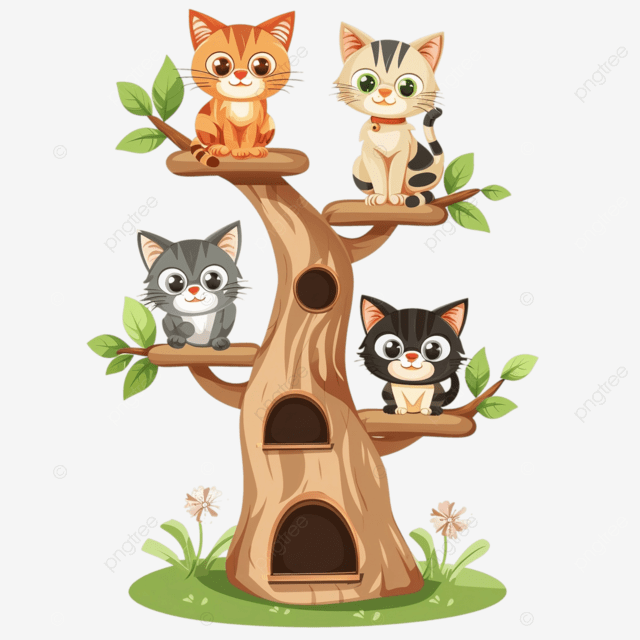
1. Think Vertically, Not Just Horizontally
Cats naturally seek high places to survey their territory. Vertical space helps cats feel secure—especially in busy households or homes with other pets.
Simple vertical additions:
- Cat trees or towers
- Window perches
- Wall‑mounted shelves
- Tall furniture your cat is allowed to climb
Even one elevated resting spot can significantly reduce stress.
➡️ This builds on Tip #1 from Post 1 in the series.
2. Create Window Views for Mental Stimulation
Cats love watching the world outside. A window view provides hours of free enrichment.
How to improve window time:
- Add a window perch or cushion
- Keep blinds open during the day
- Position furniture near windows
- Place bird feeders outside (at a safe distance)
Visual stimulation reduces boredom and can help prevent attention‑seeking behaviors.
3. Design Quiet “Safe Zones”
Cats need spaces where they can retreat and rest undisturbed. These are especially important in homes with children, dogs, or frequent visitors.
Great safe‑zone options:
- Covered cat beds
- Cardboard boxes
- Under‑bed or closet spaces
- Shelves or corners away from foot traffic
Let your cat choose when to socialize—this builds trust and confidence.
4. Offer Approved Scratching Areas
Scratching is a biological need, not bad behavior. If your cat is scratching furniture, it usually means there isn’t a better option available.
Tips for success:
- Place scratching posts near furniture your cat targets
- Offer both vertical and horizontal options
- Use textured materials like sisal or cardboard
- Reward use of approved areas
When scratching needs are met, destructive behavior usually decreases.
5. Rotate Toys and Enrichment Items
Too many toys left out all the time can become boring.
Instead:
- Keep a small selection accessible
- Rotate toys weekly
- Introduce new textures or movement
- Use puzzle feeders occasionally
Novelty keeps your cat mentally engaged without overwhelming them.
➡️ Daily play routines are covered in depth in Post 3.
6. Set Up Separate Resource Zones
In multi‑cat homes, competition for resources causes stress—even if cats seem to “get along.”
Each cat should ideally have:
- Their own food and water areas
- Multiple resting spots
- Easy access to litter boxes
Spreading resources throughout the home reduces tension and promotes harmony.
7. Adapt for Small Spaces or Apartments
Limited space doesn’t mean limited enrichment.
Apartment‑friendly ideas:
- Tall cat trees instead of wide ones
- Wall shelves for vertical territory
- Foldable tunnels for play, stored between sessions
- Window perches instead of outdoor views
Cats benefit more from thoughtful use of space than square footage.
Common Mistakes to Avoid
❌ Expecting cats to enjoy open, busy areas all the time
❌ Removing all hiding spots
❌ Only offering floor‑level enrichment
❌ Ignoring vertical territory
❌ Forcing interaction instead of allowing choice
Avoiding these mistakes alone can dramatically improve your cat’s comfort.
Final Thoughts
The perfect indoor environment doesn’t look perfect—it feels safe, predictable, and stimulating to your cat. When cats feel in control of their surroundings, they’re calmer, more affectionate, and less prone to behavioral issues.
This post is part of the Happy, Healthy Cats at Home series, designed to help you build a home your cat truly loves.
👉 Up next: How Much Playtime Does a Cat Really Need?
 Best Finds by Max