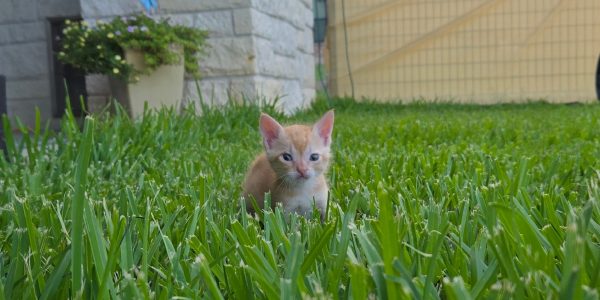
One of the most common questions cat owners ask is whether cats are happier indoors or outdoors. While outdoor life may seem exciting, research and experience show that cats can live safer, longer, and happier lives indoors—if their needs are intentionally met.
The key isn’t where a cat lives—it’s how fulfilled they feel in that environment.
This post explores the indoor vs. outdoor debate and shows you exactly how to keep an indoor cat mentally and physically satisfied.
The Reality of Outdoor Life for Cats
While outdoor cats may appear stimulated, outdoor living comes with serious risks:
- Traffic accidents
- Predators and aggressive animals
- Disease and parasites
- Exposure to toxins
- Shortened lifespan
Studies consistently show indoor cats live significantly longer on average than outdoor cats. However, longer life doesn’t automatically mean better quality of life—enrichment matters.
Why Some Cats Seem Happier Outdoors
Cats that enjoy outdoor access often benefit from:
- Increased stimulation
- Natural hunting opportunities
- Constant novelty
When indoor cats lack enrichment, they may show boredom or restlessness—leading owners to believe they need outdoor access. In reality, they need better indoor fulfillment.
➡️ This connects directly to the enrichment principles in Post 2 and play needs in Post 3.
The Truth: Indoor Cats Can Be Completely Happy
Indoor cats can thrive when their environment supports:
- Natural instincts
- Predictable routines
- Mental stimulation
- Physical activity
- Choice and control
When these needs are met, most cats show:
- Reduced anxiety
- Better behavior
- Stronger bonds with humans
- Improved overall health
The goal is to replicate the benefits of outdoor life—without the risks.
How to Fulfill an Indoor Cat’s Instincts
Here’s how to meet key natural drives indoors:
🐾 Hunting
- Daily interactive play
- Wand toys that simulate prey
- Ending play with a “catch” and meal
🧗 Climbing & Territory
- Cat trees and vertical shelves
- Window perches
- Elevated resting spots
👀 Observation
- Window views
- Bird feeders outside windows
- Calm spaces to watch household activity
These core elements make indoor life stimulating and satisfying.
Safe Alternatives to Outdoor Roaming
If your cat craves outdoor stimulation, there are safe compromises.
Catios (Enclosed Outdoor Spaces)
- Fully enclosed patios or window boxes
- Allow fresh air, sun, and scents
- Safe from predators and traffic
Harness & Leash Training
- Best started young
- Only works for some cats
- Short, supervised outings only
Screened Windows & Balconies
- Secure screening is non‑negotiable
- Prevents dangerous falls or escapes
These options provide outdoor experiences without sacrificing safety.
Common Signs an Indoor Cat Isn’t Fulfilled
An under‑stimulated indoor cat may show:
- Excessive vocalization
- Destructive scratching
- Aggression toward people or pets
- Nighttime restlessness
- Obsessive behaviors (overgrooming, pacing)
These aren’t “bad cat” behaviors—they’re usually unmet needs.
➡️ Routine adjustments from Post 6 can dramatically reduce these issues.
When an Indoor‑Only Life Is Best
Indoor‑only living is usually the best choice when:
- You live near busy roads
- Predators are present
- Your cat is elderly or medically fragile
- You live in an apartment or city
- You have multiple cats and want stability
With proper enrichment, most cats adapt extremely well.
Making Peace with the Indoor Decision
Some people feel guilty keeping cats indoors. It helps to reframe the decision:
- Indoor living prioritizes safety and longevity
- Fulfillment comes from experience, not freedom alone
- Your cat values predictability and comfort more than adventure
When indoor life is rich and engaging, cats don’t feel “trapped”—they feel secure.
Final Thoughts
The indoor vs. outdoor debate isn’t about restriction—it’s about responsibility. Indoor cats can live deeply enriched, joyful lives when their instincts and routines are respected.
With thoughtful environment design, consistent play, structured routine, and emotional awareness, indoor cats don’t miss the outdoors—they thrive at home.
This post is part of the Happy, Healthy Cats at Home series.
 Best Finds by Max