
Cats change significantly as they age—and so do their needs. What makes a kitten happy may frustrate a senior cat, and routines that work for adults may overwhelm younger cats.
Understanding how age affects your cat’s physical, mental, and emotional wellbeing helps you adapt your care and keep your cat fulfilled throughout every stage of life.
This final post in the Happy, Healthy Cats at Home series breaks down what cats need most during kittenhood, adulthood, and their senior years.
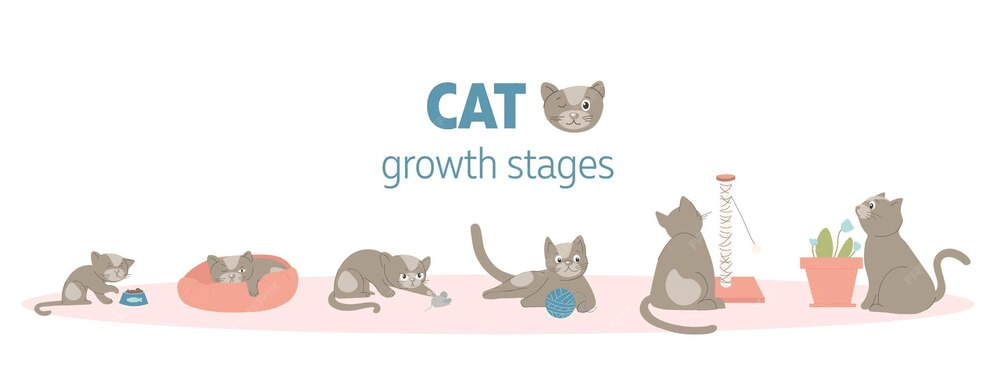
Why Age‑Appropriate Care Matters
Cats age faster than humans, and changes often happen gradually. When care doesn’t evolve, cats may experience:
- Stress or frustration
- Reduced mobility or play interest
- Behavioral changes
- Withdrawal or clinginess
Adapting environment, play, and routine—topics covered throughout this series—becomes even more important as cats grow older.
Kittens: Building Confidence and Healthy Habits
Kittens are curious, energetic, and constantly learning.
What kittens need most:
- Frequent interactive play (multiple short sessions daily)
- Encouragement to climb, explore, and investigate safely
- Exposure to routines and gentle handling
- Safe scratching options and play boundaries
Kittens are building confidence and coordination. Structured play and predictable routines (see Post 6) help them grow into well‑adjusted adults.
⚠️ Avoid overstimulation—kittens tire quickly and need plenty of rest.
Adult Cats: Balance and Consistency
Most cats reach adulthood between 1–7 years. This stage often feels “easiest,” but it’s also when boredom can quietly develop.
Adult cats thrive on:
- Consistent routines
- Daily interactive play
- Environmental enrichment (see Post 2)
- Mental stimulation through novelty and rotation
Adult cats often need encouragement to stay active. Without it, weight gain and under‑stimulation are common.
➡️ Daily play from Post 3 remains essential during adulthood.
Senior Cats: Comfort, Mobility, and Security
Cats are typically considered seniors around age 10, though changes may appear earlier or later.
Common senior cat changes:
- Reduced mobility or stiffness
- Longer sleep periods
- Slower play preferences
- Increased sensitivity to noise or change
How to support senior cats:
- Provide low‑entry litter boxes (see Post 4)
- Add soft, warm bedding
- Adjust play to be gentler and lower to the ground
- Maintain a predictable daily schedule
Comfort and routine become the top priorities.
Adjusting Play as Your Cat Ages
Not all cats want to “retire” from play—many just want it differently.
- Kittens: fast, frequent, energetic play
- Adults: structured, stimulating sessions
- Seniors: slower movements, shorter sessions
Watch body language cues (covered in Post 5) to avoid overstimulation or discomfort.
Environmental Changes by Age
Your cat’s environment should evolve with them.
Helpful adjustments:
- Additional steps or ramps for senior cats
- Higher observation spots for adult cats
- Safe exploration areas for kittens
- Reduced need to jump as mobility changes
Small adaptations make a big difference over time.
Routine Is Even More Important With Age
Cats of all ages thrive on routine—but seniors especially depend on it.
Consistency helps:
- Reduce confusion
- Support digestion
- Improve sleep
- Reduce anxiety
Keep feeding, play, and quiet times as predictable as possible as your cat ages.
➡️ Routine strategies are explored in depth in Post 6.
Behavioral Changes Are Not “Just Aging”
While aging brings changes, sudden shifts are worth attention.
Watch for:
- Litter box avoidance
- Increased aggression or withdrawal
- Changes in appetite or vocalization
- Reduced tolerance for handling
Always rule out medical causes before assuming behavior is age‑related.
Loving Your Cat Through Every Stage
One of the most rewarding parts of cat ownership is growing together. As your cat ages, their needs don’t disappear—they shift.
Supporting those changes deepens trust, improves quality of life, and strengthens your bond.
A happy cat isn’t defined by youth—it’s defined by feeling safe, understood, and cared for.
Final Thoughts
Cats can thrive at every stage of life when their care evolves with them. By adjusting play, environment, routine, and expectations, you help your cat feel comfortable and fulfilled—from kittenhood to their golden years.
This post concludes the Happy, Healthy Cats at Home series, created to help cat owners build supportive, enriching lives for their cats—one thoughtful step at a time.
 Best Finds by Max