Why It Matters & How to Help Your Cat Stay Healthy
When it comes to caring for our feline friends, we tend to focus on food, toys, and cozy places to nap. But one of the most important aspects of a cat’s health is something surprisingly simple: hydration.
Cats are naturally low-water drinkers, and without proper hydration, they can quietly develop serious health issues. Here’s why it matters — and what you can do to help your cat stay happy, hydrated, and healthy.
Why Hydration Is So Important for Cats
1. Cats Are Naturally Poor Thirst-Drivers
Domestic cats evolved from desert animals, meaning their bodies are designed to get most of their moisture from prey.
Because of this:
- They don’t feel thirsty until they’re already dehydrated.
- Dry kibble doesn’t come close to providing enough moisture on its own.
2. Proper Hydration Supports Vital Organs
When cats are well hydrated, it helps:
- Kidney function — reducing risk of kidney disease
- Healthy digestion — preventing constipation
- Urinary tract function — lowering the risk of UTIs and bladder stones
- Overall energy levels and temperature regulation
3. Prevents Common Cat Health Problems
Dehydration and low moisture intake are linked to:
- Chronic kidney disease (CKD)
- Feline lower urinary tract disease (FLUTD)
- Urinary crystals and blockages (a life-threatening emergency)
- Constipation and digestive issues
For many cats, staying hydrated isn’t optional — it’s essential for long-term health.
How to Help Keep Your Cat Hydrated
⭐ 1. Increase Wet Food Intake
This is the #1 easiest way to boost hydration.
Canned food is typically 70–80% moisture, which mimics a cat’s natural diet.
Tips:
- Replace part (or all) of daily kibble with wet food.
- If you feed both, consider adding a tablespoon of warm water or broth for extra hydration.
⭐ 2. Try a Cat Water Fountain
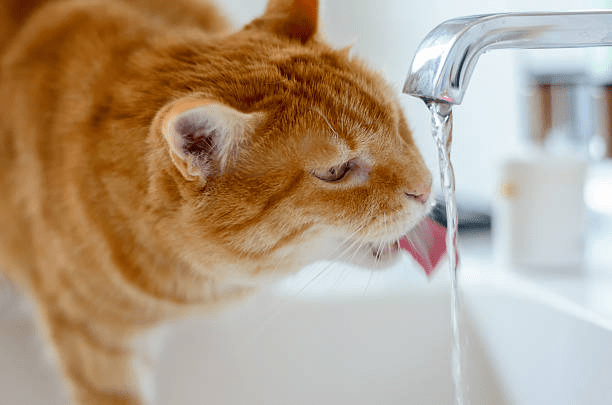
Many cats prefer moving water, and a fountain can encourage them to drink more.
Benefits include:
- Running water feels fresher
- Encourages natural curiosity
- Reduces water stagnation and bacteria buildup
⭐ 3. Place Water Bowls Strategically
Cats are picky, and sometimes the location matters more than the bowl itself.
Try:
- Avoiding spots near food bowls (many cats dislike this)
- Placing water bowls in multiple rooms
- Using wide, shallow bowls to avoid whisker stress
⭐ 4. Add Water or Broth to Meals
A little extra moisture goes a long way:
- Add 1–2 tablespoons of water, low-sodium broth, or tuna water
- Mix well so your cat doesn’t notice
Tip:
Avoid broths with onion or garlic — both are toxic to cats.
⭐ 5. Offer Different Bowl Types
Yes… cats are artists in their own way.
They might prefer:
- Glass bowls
- Stainless steel
- Ceramic
- Wide dishes
- Elevated bowls
Try a few to see what they love.
Signs Your Cat May Be Dehydrated
Watch for these warning signs:
- Dry gums or sticky saliva
- Lethargy or unusual tiredness
- Sunken eyes
- Poor skin elasticity (skin doesn’t bounce back when gently lifted)
- Constipation
- Reduced appetite
- Less urine output or darker urine
If you see multiple symptoms, especially with vomiting or diarrhea, contact a vet promptly.
When to Contact a Veterinarian
You should reach out to a vet if your cat:
- Isn’t drinking at all
- Shows signs of dehydration
- Is urinating less frequently
- Has blood in urine
- Is male and straining to pee (a medical emergency)
Hydration issues can escalate quickly — trust your gut if something feels off.
Final Thoughts
Hydration may seem simple, but for cats, it’s a cornerstone of long-term health. By making a few small adjustments — offering wet food, providing fresh or running water, and monitoring drinking habits — you can help prevent serious health issues and keep your feline friend feeling their best.
Your cat might not always remind you they’re thirsty… but their body will thank you when you help them stay hydrated.
 Best Finds by Max