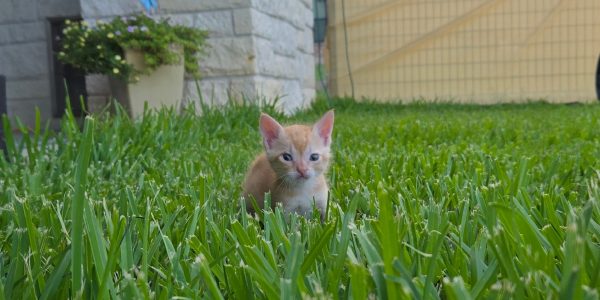
Aging sneaks up on cats quietly. One day they’re scaling the curtains; the next, they’re napping in sunbeams a little longer, jumping a little slower, and asking for just a bit more help. Senior cats — typically those 10 years and older — can live long, happy, deeply affectionate lives with the right support. This guide walks your readers through the essentials of keeping their older feline thriving.
🧭 Understanding What “Senior” Really Means
Cats age differently depending on genetics, lifestyle, and health history. Many remain active well into their teens, but aging often brings:
- Reduced mobility
- Changes in appetite
- More frequent naps
- Increased vocalization
- Subtle shifts in behavior
Recognizing these early helps guardians support their cat before problems escalate.
🩺 Essential Veterinary Care for Senior Cats
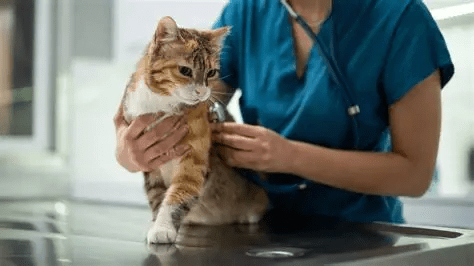
- Twice‑yearly checkups — Health issues progress faster in older cats. Exams every 6 months catch kidney disease, hyperthyroidism, arthritis, and dental problems early.
- Routine bloodwork — A baseline CBC and chemistry panel help track changes over time.
- Dental care — Gum disease and tooth resorption are extremely common and painful.
- Weight monitoring — Sudden loss or gain can signal metabolic disease.
🍽️ Nutrition for Aging Cats
Senior cats often need dietary adjustments to maintain muscle mass and organ health.
- High‑quality protein supports lean body condition.
- Joint‑support supplements like glucosamine or omega‑3s can ease arthritis.
- Hydration strategies — Wet food, water fountains, and broth toppers help prevent kidney strain.
- Easy‑to‑digest formulas for cats with sensitive stomachs.
🛋️ Creating a Senior‑Friendly Home
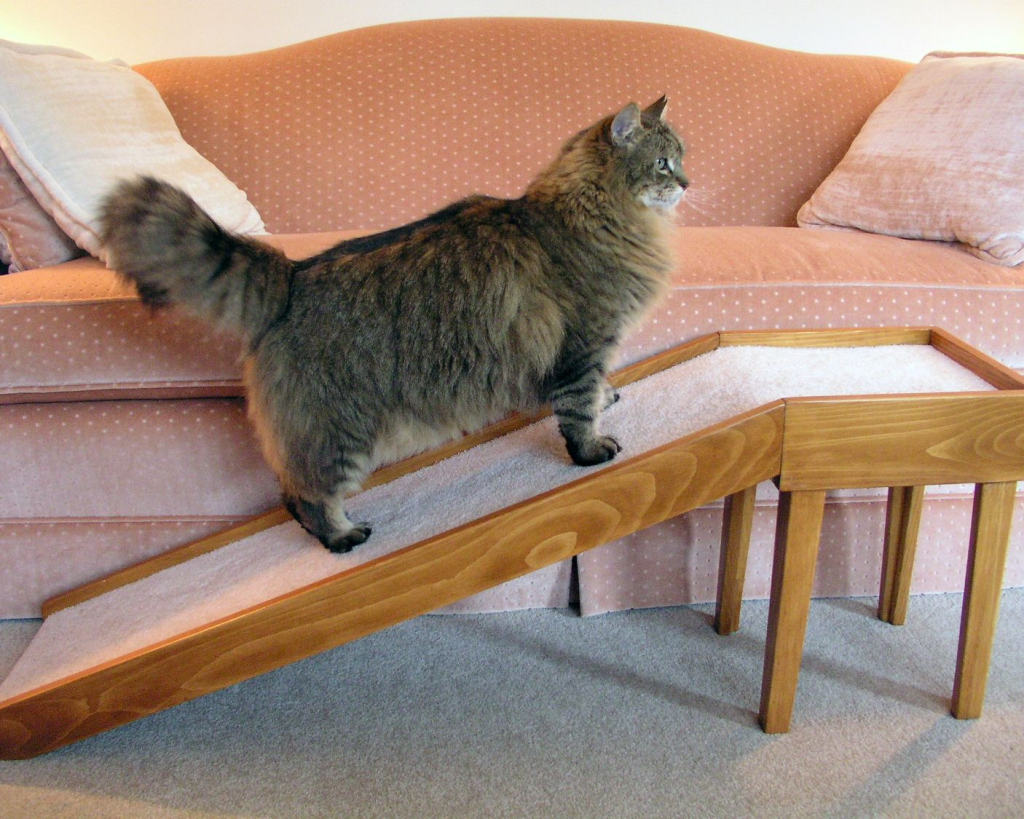
Small changes make a big difference in comfort:
- Low‑entry litter boxes to reduce joint strain.
- Ramps or steps for reaching beds, couches, and favorite perches.
- Heated beds to soothe stiff joints.
- Quiet, predictable spaces for cats who become more sensitive to noise or change.
🧠 Mental & Emotional Well‑Being
Senior cats still crave stimulation — just at a gentler pace.
- Short play sessions with wand toys or slow‑moving prey.
- Puzzle feeders to keep their minds sharp.
- Routine and reassurance — Older cats thrive on predictability.
🐾 Mobility & Arthritis Support
Arthritis affects over 60% of senior cats, even if they don’t limp.
Signs include:
- Hesitating before jumping
- Missing jumps
- Overgrooming joints
- Avoiding stairs
Support options:
- Vet‑approved pain management
- Joint supplements
- Soft bedding
- Warmth and gentle massage
❤️ Strengthening the Bond
Senior cats often become more affectionate and expressive. They may follow their humans more, vocalize differently, or seek more lap time. Encourage readers to:
- Spend intentional quiet time together
- Keep grooming sessions gentle and frequent
- Respect their cat’s changing boundaries
- Celebrate small moments — the slow blink, the soft purr, the warm weight on the couch
🐱 Final Thoughts
Caring for a senior cat is a privilege. With attentive health care, a comfortable environment, and plenty of love, older cats can enjoy many vibrant, cozy, joyful years. They give us their whole lives — and their golden years are our chance to give back.
See our article Senior Checklist for a list of items to help your senior cat.
 Best Finds by Max