
Cats are masters of pretending they’re fine. They’ll sunbathe in a 100°F Texas afternoon like they’re on a luxury vacation—right up until they’re not. Summer heat can be dangerous for even the healthiest cats, and many pet owners underestimate how quickly trouble can develop.
This guide breaks down the real risks, the subtle warning signs, and the simple steps that keep your feline safe all summer long.
Why Heat Is More Dangerous for Cats Than You Think
Cats don’t sweat the way humans do. Their cooling system relies mostly on:
- Minimal sweating through paw pads
- Limited panting
- Behavioral changes (seeking shade, reducing activity)
When temperatures climb, these methods simply aren’t enough. Indoor cats are at risk too—especially in homes without strong AC or with sun‑heavy rooms.
Key risks include:
- Heat exhaustion
- Heatstroke
- Dehydration
- Burned paw pads on hot surfaces
- Respiratory distress, especially in flat‑faced breeds
Early Warning Signs Your Cat Is Overheating
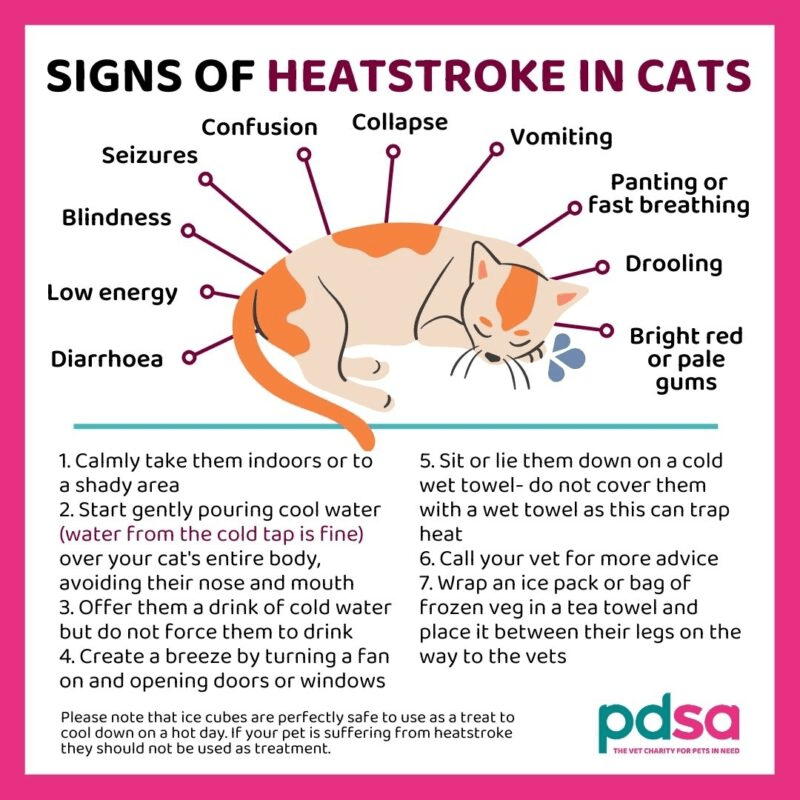
Cats hide discomfort, so the signs can be subtle. Watch for:
- Excessive panting — cats rarely pant unless something is wrong
- Lethargy or wobbling
- Drooling
- Red or pale gums
- Rapid heartbeat
- Vomiting
- Seeking cool surfaces desperately
If you see these symptoms, your cat may already be in danger.
Indoor Cats Aren’t Automatically Safe
Many owners assume indoor cats are protected, but summer brings hidden risks:
- Sun‑facing rooms can reach 90–100°F even with AC running
- Power outages can turn a home into an oven
- Closed-off rooms trap heat
- Cats may nap in dangerous hot spots (windowsills, attics, porches)
A simple rule: If you feel warm, your cat feels hotter.
Outdoor Cats Face Even Greater Risks
Outdoor cats are exposed to:
- Hot pavement that can burn paws in seconds
- Dehydration from lack of clean water
- Heatstroke from overexertion
- Getting trapped in sheds or garages with no ventilation
If your cat goes outside, limit outings to early morning or late evening.
How to Keep Your Cat Safe in Summer
1. Hydrate strategically
- Add extra water bowls around the home
- Use a cat fountain to encourage drinking
- Add a splash of tuna water or broth to increase interest
2. Create cool zones
- Cooling mats
- Tile floors
- Fans or AC
- Shaded areas outdoors
3. Adjust routines
- No midday outdoor time
- Keep blinds closed in sun-heavy rooms
- Avoid car rides unless absolutely necessary
4. Grooming matters
- Brush regularly to remove excess fur
- Never shave a cat—fur protects from heat and sunburn
5. Emergency plan
Know the nearest emergency vet and keep a carrier ready.
🚨 What to Do If Your Cat Shows Signs of Heatstroke
Move fast and stay calm.
- Bring your cat to a cool, shaded area
- Offer water—don’t force it
- Apply cool (not cold) damp towels to paws, belly, and neck
- Use a fan to increase airflow
- Seek immediate veterinary care
Heatstroke is life-threatening and progresses quickly.
Final Thoughts: Summer Safety Is an Act of Love
Cats may act independent, but they rely on us to protect them from dangers they don’t understand. A few simple precautions can prevent emergencies and keep your feline friend comfortable all summer long.
Summer Care Kit https://a.co/09sH9mzo
As an Amazon Associate, I earn from qualifying purchases. This means I may receive a small commission if you buy through links on this site, at no extra cost to you.
 Best Finds by Max